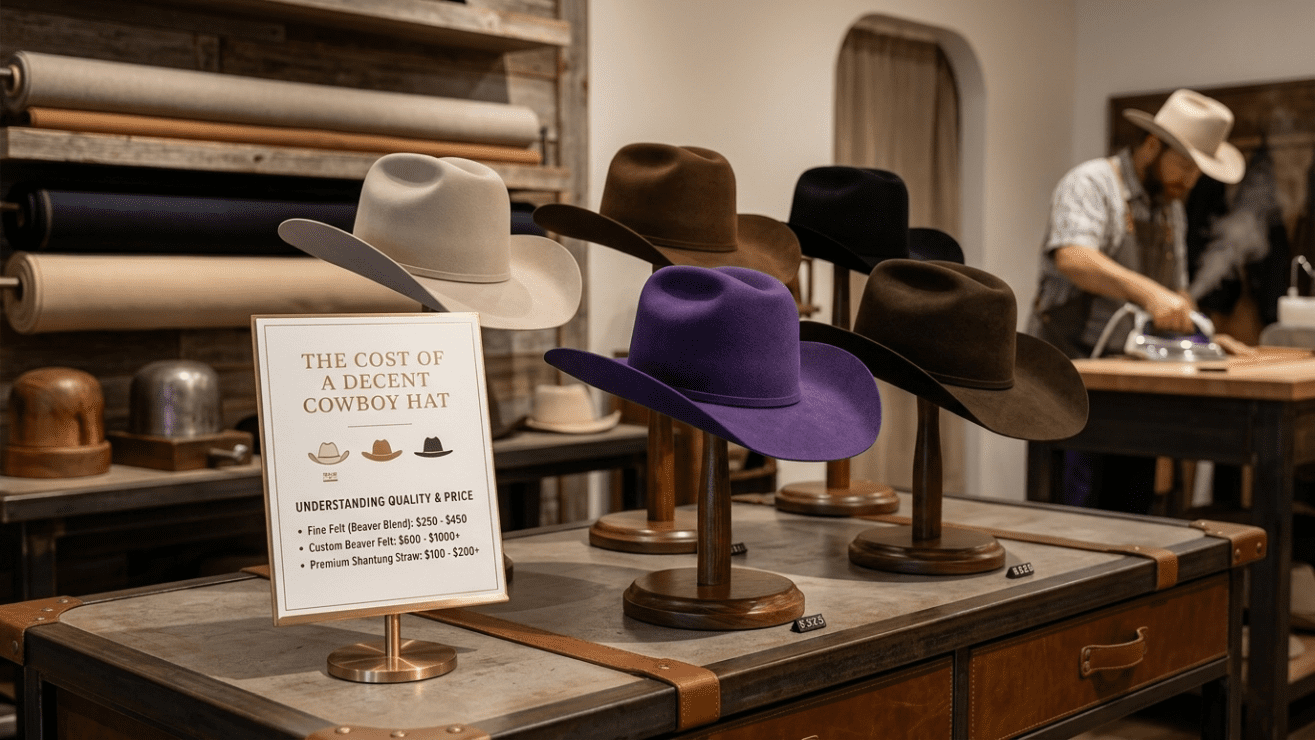

Cowboy hats can cost anything from the price of a cheap T‑shirt to the equivalent of a luxury watch, and that range is confusing for first‑time buyers. This guide breaks down what a genuinely decent cowboy hat should cost based on material, use case, and brand level so buyers can avoid overpaying for fashion hats or underbuying for real work and long‑term wear.
Quick Answer: Typical Price Ranges
Most people looking for a decent, everyday cowboy hat (not a costume piece, not a collector’s item) should expect to spend roughly:
| Hat type / use case | “Decent” price range (USD) | Notes |
| Entry‑level straw (casual, concerts, short‑term wear) | 20–80 | Basic machine‑woven straw or synthetics, fine for occasional summer use. |
| Mid‑range straw (regular summer wear, ranch use) | 80–200 | Better straw quality and shaping; brands like American Hat, Stetson, Resistol in mid tiers. |
| Entry‑level wool felt (light use, fashion) | 45–120 | Inexpensive felt from sheep wool, ok for dry weather and casual wear. |
| Mid‑range fur felt (solid everyday working hat) | 150–350 | Rabbit or beaver blends, good durability and weather resistance. |
| Premium fur felt (serious ranch work, style + longevity) | 350–800+ | High beaver content or pure beaver, custom shaping, long service life with care. |
These ranges assume retail prices from established Western brands and specialty shops, not mass‑market costume hats or wholesale minimum‑order prices.
Why Prices Vary So Much
Material: Straw vs Wool vs Fur Felt
The single biggest driver of price is material quality.
- Straw: Often the most affordable, with basic designs starting around 20–30 USD and better‑quality hand‑finished straw hats running 100–200 USD or more.
- Wool felt: Uses sheep wool to create an inexpensive felt; many retailers start wool cowboy hats around 45–70 USD, with higher‑grade wool versions reaching 120 USD or more.
- Fur felt: Made from rabbit, hare, beaver, or blends; major brands classify anything 5X and above as fur felt, with noticeably smoother, denser, and more weather‑resistant finishes.
Beaver felt is widely regarded as the gold standard because natural oils in the fur help with water resistance and create a tight, durable felt; pure beaver hats therefore occupy the top of the price range.
Brand and the “X” Rating System
Large Western brands such as Stetson and Resistol use an internal “X” rating system to signal material quality, particularly for felt hats.
- For these brands, 4X and below usually indicates wool felt.
- 5X and above typically marks fur felt, with higher X numbers generally meaning more beaver or higher‑quality fur, though exact blends are proprietary.
Because the X system is not standardized across all manufacturers, a 20X from one company may not match a 20X from another, but within a single brand, higher X usually means a more expensive hat.
Handcrafting, Shaping, and Custom Work
How the hat is made also changes the cost.
- Mass‑produced hats use machine forming and minimal hand finishing, which keeps prices low but can limit durability and fit.
- Premium hats are often hand‑blocked, hand‑shaped, and finished by experienced hatters, adding labor cost but also better fit, balance, and longevity.
Extra details—hand‑braided bands, exotic‑skin trim, special edge bindings, and custom stamping—layer additional cost on top of the base hat price.
Retailer, Location, and Market
Prices also vary by where the hat is purchased.
- Specialist Western stores and brand flagships stock mid‑ to high‑tier hats, often starting around 150–200 USD for fur felt and 80–120 USD for quality straw.
- Tourist markets, concerts, and fairs sell inexpensive fashion or souvenir hats that can be 20–60 USD but usually lack the durability of true Western brands.
Used and vintage markets, as well as seasonal clearance sales, can offer higher‑quality hats at lower prices than typical retail.
Typical Prices by Material and Quality
Straw Cowboy Hats
Straw is popular for summer riding, outdoor festivals, or hot climates because it is lighter and more breathable than felt.
- Basic straw hats: Many Western stores and rodeo vendors sell quick‑buy straw hats around 20–40 USD, aimed at visitors who need sun protection for a single event or short season.
- Mid‑range straw hats: Better‑built straw hats from reputable makers commonly fall between 80 and 200 USD, depending on the weave complexity, shaping, and brand.
- High‑end straw hats: Original Panama‑style or finely woven straw hats can go from around 150 USD up to 600 USD or more, especially if handwoven from premium straw and finished by a skilled hatter.
For someone who wants a decent straw hat that will last more than a couple of summers, budgeting 80–150 USD usually unlocks noticeably better comfort, breathability, and finish compared with the cheapest options.
Wool Felt Cowboy Hats
Wool felt is the entry point into felt hats.
- Retailers report starting prices for wool felt cowboy hats around 45–70 USD, with better wool and finishing pushing prices into the 100–120 USD range.
- Wool felt is affordable and visually similar to fur felt but tends to soak water and lose shape more easily, making it less ideal for heavy weather or daily ranch work.
A decent wool felt hat for occasional wear, dressy Western outfits, or light outdoor use typically falls in the 70–120 USD bracket.
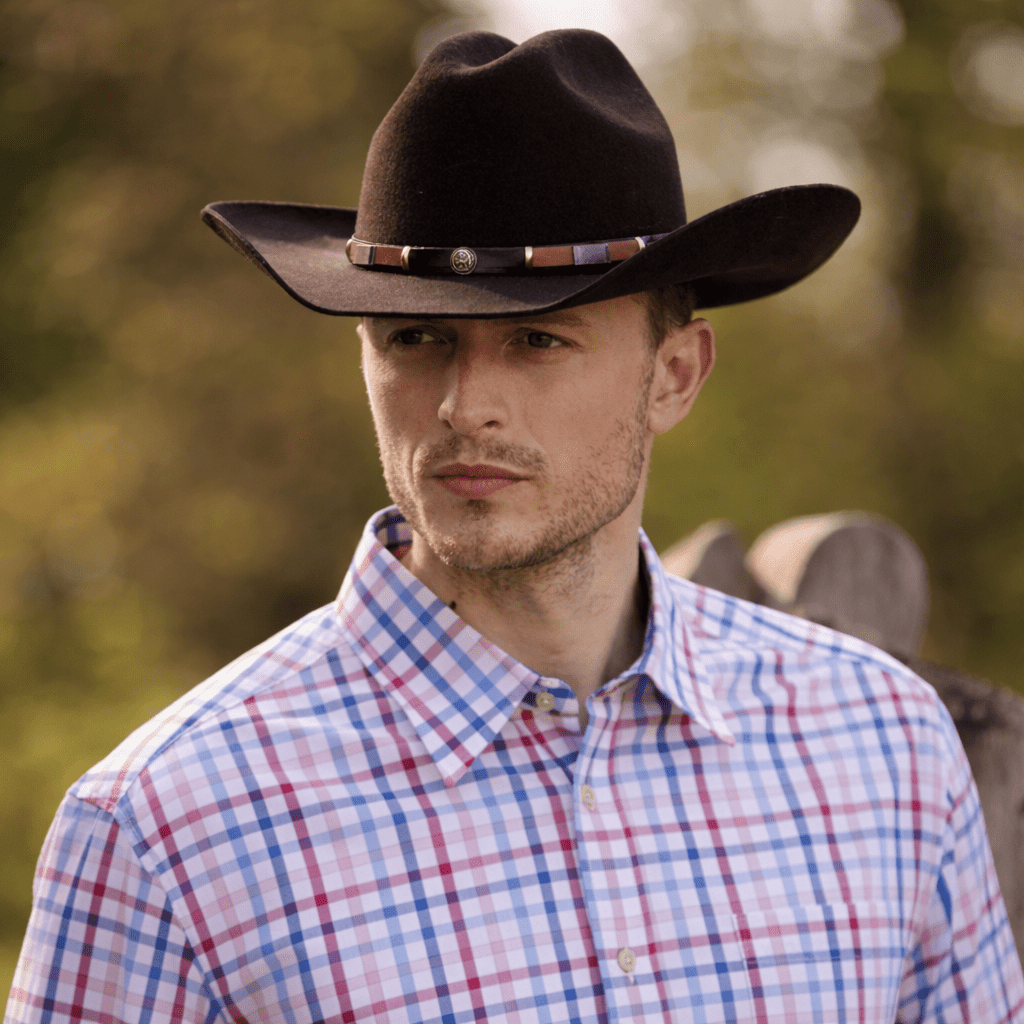
Fur Felt Cowboy Hats (Rabbit, Beaver, Blends)
Fur felt hats dominate the mid to premium segments because they handle weather and hard use far better than wool.
- Entry‑level fur felt hats from major brands often start around 150–200 USD, usually at 5X or slightly above.
- As beaver content and craftsmanship increase, prices climb to 300–500 USD, and then up toward 800 USD or beyond for top‑tier or pure beaver hats.
On Stetson’s official site, common Western fur felt models list at approximately 150 USD for a 4X range hat, around 385–525 USD for mid‑tier 6X styles, and up to 1,300 USD for a 100X El Presidente model.
For buyers who want a serious working hat or a long‑term investment piece, the most sensible value zone is usually between 200 and 400 USD for a well‑made fur felt.
What Counts as “Decent” for Different Buyers
Casual Wearer or Tourist
A casual wearer is someone buying a hat for a music festival, a vacation in Nashville, or the occasional country‑themed party.
- For this group, a decent hat means it looks good in photos, keeps the sun off, and does not fall apart after a few uses.
- A 40–100 USD budget can be enough for a solid straw or wool fashion hat from a Western retailer rather than a novelty stand, especially if there is access to basic shaping and fitting.
Custom souvenir hats in tourist hubs often start around 150 USD before add‑ons, reflecting both craftsmanship and location markup.
Entry‑Level Rider or Hobbyist
For someone starting out in rodeo, trail riding, or regular barn time, durability and fit start to matter more than novelty.
- Many rodeo and cowboy communities suggest saving at least 100 USD for a “good” hat, particularly a mid‑range straw (for summer) or basic fur felt (for cooler seasons).
- A decent mid‑tier straw (about 100–200 USD) or an entry‑level fur felt (roughly 150–250 USD) offers enough quality for regular wear without jumping straight into high‑end pricing.
Working Cowboy or Serious Ranch Use
For daily riding, ranch chores, and exposure to sun, rain, and dust, build quality and materials are critical.
- Experienced hatters and riders often recommend stepping up to a well‑made fur felt hat, usually in the 200–400 USD range, to ensure it holds shape and resists weather.
- At this level, buyers typically get better beaver content, finer felt, and more precise blocking and shaping.
Over years of use, the cost per wear of a 300 USD hat that lasts a decade can be lower than repeatedly replacing cheaper hats.
Collector, Fashion‑Forward, or Custom Client
At the top end are enthusiasts who want rare colors, limited‑run designs, or fully custom builds.
- Bespoke or high‑X hats can easily range from 500 USD to well over 1,000 USD, particularly pure beaver or exotic‑trimmed models from well‑known makers.
- These prices reflect not only raw materials but the time, reputation, and artistry of the hatter.
For this group, “decent” is less about minimum quality and more about whether the hat lives up to its premium promise.
Sample Price Tiers and What You Get
The table below summarizes common price bands and what a typical buyer can expect at each level.
| Budget (USD) | What you usually get | Suitable for |
| Under 40 | Costume‑level straw, basic imports, minimal shaping; fine for one‑off events but limited durability. | Parties, themed photos, very occasional wear |
| 40–80 | Better straw or basic wool felt from entry‑level Western brands; some shaping, acceptable comfort. | Casual wearers, tourists, light seasonal use |
| 80–150 | Mid‑range straw or higher‑quality wool felt; better weaves, finishing, and fit; entry fur felt at lower end in some sales. | Hobby riders, frequent festival goers, style‑conscious casuals |
| 150–300 | Solid fur felt hats (5X+), quality mid‑range straw; good durability, weather performance, professional shaping. | Working cowboys, regular riders, serious enthusiasts |
| 300–800+ | High‑X or pure beaver fur felt, custom work, premium finishes and trims. | Long‑term investment pieces, collectors, fashion and show use |
New vs Used and Where You Buy
Buying New Retail
Buying new from a reputable Western shop or brand site offers consistent sizing, warranties, and after‑sales services like cleaning and reshaping.
- Sites such as Stetson’s official store and specialist retailers list a wide array of Western hats, with many styles falling in the 150–400 USD range for fur felt and 80–150 USD for straw.
- Staff in brick‑and‑mortar Western stores can also steam, shape, and adjust the hat to the wearer’s head, often included in the price.
Buying Used or Vintage
The second‑hand market can be a strong value play for those willing to clean or re‑block a hat.
- Enthusiasts report finding blended or mid‑tier fur felt hats at used prices well below current new retail, particularly during seasonal shifts when stores clear inventory.
- With fur felt prices rising in recent years, used hats in good condition can offer quality materials at a more modest outlay.
Online Marketplaces and Imports
Online marketplaces sell everything from genuine Western brands to anonymous imports.
- Broad marketplaces stock cowboy‑style hats at wholesale prices when ordered in bulk, often under 20 USD per hat, but these are not representative of single‑piece retail prices or long‑term quality.
- Buyers looking for a decent personal hat are usually better off with recognized Western retailers or brand outlets.
Regional and International Pricing
Prices can also vary by country due to import duties, shipping, and currency differences.
- In North America and Western Europe, established Western brands tend to sit in the ranges described above, while in markets like India many cowboy hats are sold as fashion accessories or event pieces at far lower price points, often under the equivalent of 20 USD.
- International resellers of brands like Stetson offer premium hats but at higher local prices once shipping and import costs are added.
For buyers outside core Western markets, a “decent” hat may mean either a robust local fashion hat for casual use or an imported brand hat at a higher relative cost.
How to Decide Your Budget in Practice
When setting a budget, two questions help narrow the range:
- How often will the hat be worn?
- Once in a while: a 40–100 USD hat is usually enough.
- Weekly or daily: plan on 100–300 USD for straw or fur felt that will hold up.
- In what conditions will it be used?
- Indoor events and dry weather: wool felt or mid‑range straw can work well at 70–150 USD.
- Outdoor work, rain, and sun: invest in a quality fur felt or high‑grade straw in the 150–400 USD band.
From there, buyers can adjust up or down based on brand preference, style, and appetite for custom details.
FAQs About Cowboy Hat Costs
Is an under‑100 USD cowboy hat worth buying?
Yes, for light or occasional use, many straw hats under 100 USD perform perfectly well at providing sun protection and a Western look, though they may not be as breathable or long‑lasting as 200 USD models. For regular outdoor work or riding, however, it is often worth stepping up to at least a mid‑range straw or entry fur felt in the 150–250 USD range.
How much does a good Stetson cowboy hat cost?
Stetson’s Western line includes hats from roughly 150 USD for 4X range models to well over 500 USD for 6X or higher, with top‑tier 100X hats like the El Presidente listed around 1,300 USD. For most buyers, a good Stetson suitable for regular use will fall between 200 and 400 USD depending on material and model.
Why are some cowboy hats over 1,000 USD?
Hats over 1,000 USD usually combine high beaver‑content or pure beaver felt with expert handcrafting, rare colors, and premium trims such as exotic‑skin bands or intricate custom work. These hats target collectors and serious enthusiasts who value longevity, distinctive style, and craftsmanship as much as functionality.
Is wool felt good enough, or should buyers always choose fur felt?
For occasional wear or mainly indoor events, a well‑made wool felt in the 70–120 USD range can be perfectly adequate and budget‑friendly. For frequent outdoor use in variable weather, fur felt offers better shape retention, water resistance, and long‑term durability, justifying its higher 150–350 USD starting price.
Are custom cowboy hats worth the extra cost?
Custom hats typically start around 150–200 USD and can climb far higher as materials and decorations improve. They are most worthwhile for buyers who struggle with standard sizing, want a specific crown and brim combination, or see the hat as a long‑term signature piece rather than an occasional accessory.
Key Takeaways
- A decent cowboy hat for casual wear usually costs 40–120 USD, depending on whether it is straw or wool felt.
- A decent working or regularly worn hat is more often found in the 150–350 USD range for quality straw or fur felt.
- Material, brand, craftsmanship, and location all influence price, so understanding these factors helps buyers match budget to expectations and avoid both overpaying and under‑buying.