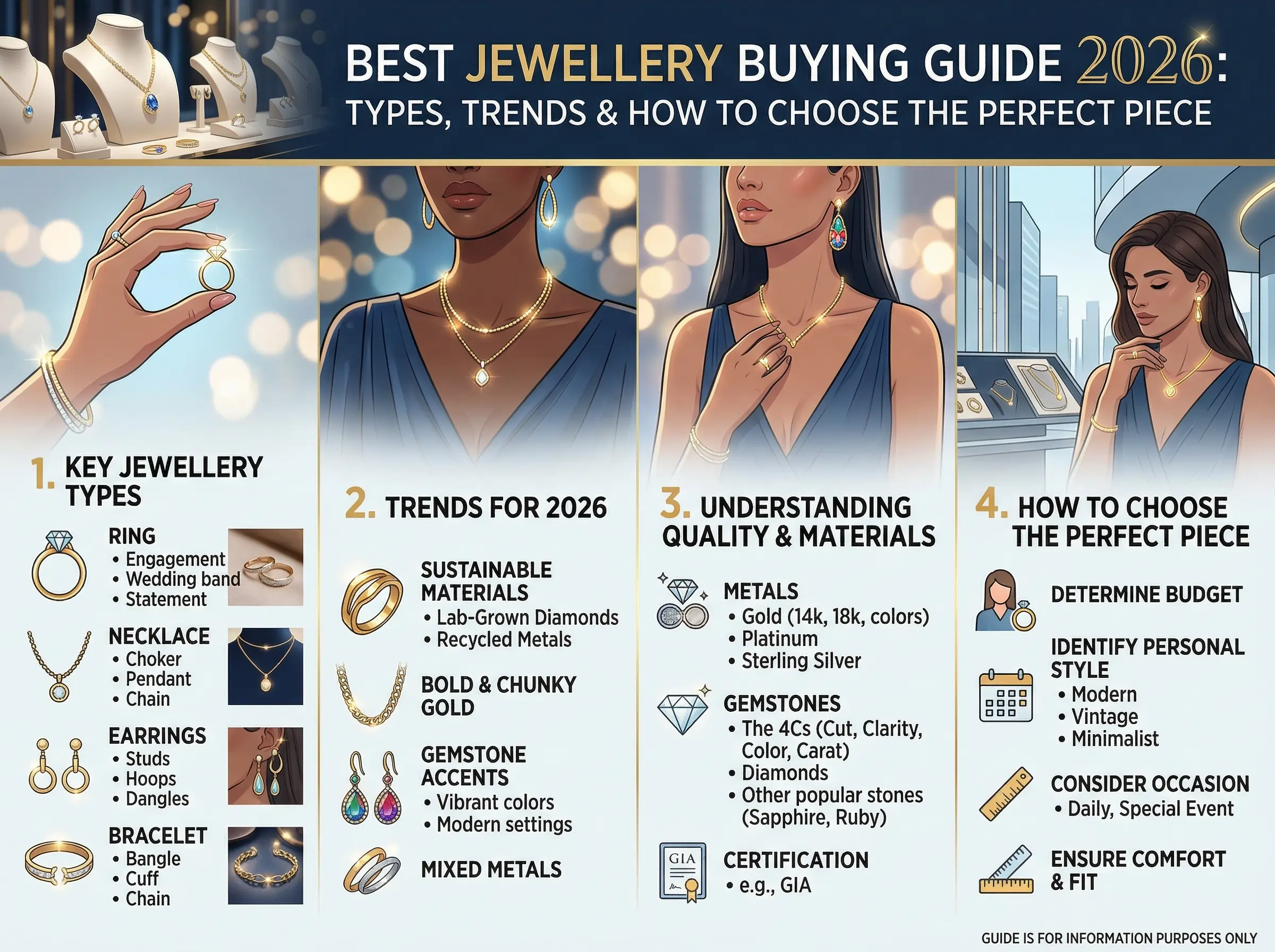

Jewellery has always been more than just an accessory. It is a form of self-expression, a marker of personal milestones, and one of the most timeless investments you can make in your wardrobe. Whether you are building your collection from scratch, refreshing your style for the year ahead, or shopping for someone you love, knowing what to look for can make all the difference between a piece you reach for every day and one that quietly disappears into a drawer and never comes out again.
This complete jewellery buying guide for 2026 walks you through everything you need to know — from the different types of jewellery and the best metals to choose, to the biggest trends of the year and smart tips for buying on any budget. By the time you finish reading, you will feel genuinely confident navigating the jewellery market, whether you are browsing high street stores, exploring luxury brands, or shopping online from the comfort of home.
Why 2026 Is a Great Year to Invest in Jewellery
The jewellery industry right now is in a genuinely exciting place. Designers and buyers alike are leaning into a blend of bold maximalism and quiet, sentimental minimalism — which means there is truly something for every taste and every budget. Self-gifting among women has surged considerably in recent years, with more buyers purchasing jewellery for themselves rather than waiting for it to arrive as a gift. That cultural shift has pushed brands to deliver more variety, better personalisation options, and stronger value than ever before.
Lab-grown diamonds have transformed accessibility, offering the same brilliance as mined stones at a dramatically lower cost. Personalisation is at an all-time high. And classic yellow gold has made a powerful comeback after years of rose gold dominance. In short, 2026 is a very good time to shop smart, shop intentionally, and start building a collection that truly reflects who you are.
Understanding the Main Types of Jewellery
Before diving into trends and buying tips, it helps to understand the broad categories of jewellery you will encounter while shopping. Each serves a different purpose and comes with its own price range and care requirements.
Fine Jewellery
Fine jewellery is made from precious metals such as gold, white gold, platinum, or sterling silver, and typically features real gemstones — diamonds, emeralds, sapphires, rubies, or pearls. This is the category you turn to for engagement rings, anniversary gifts, heirloom pieces, and investment-quality purchases. Fine jewellery tends to hold its value over time and, with proper care, can genuinely last for generations. Prices typically start around $200 and can reach the tens of thousands for designer or couture-level pieces.
Fashion Jewellery
Fashion jewellery — sometimes called costume jewellery — is designed to be trend-led and accessible. It is made from base metals like brass or copper, often plated in gold or silver, and set with glass, acrylic, or synthetic stones. While it does not carry the longevity of fine jewellery, it is perfect for experimenting with seasonal trends and having fun with bold statement pieces without a significant financial commitment. Most fashion jewellery ranges from $5 to $100.
Bridge Jewellery
Bridge jewellery sits between fine and fashion — typically made from sterling silver, gold vermeil, or gold-filled metals, often paired with semi-precious gemstones such as amethyst, turquoise, or moonstone. Brands like Monica Vinader, Mejuri, and Pandora operate confidently in this space. Bridge jewellery is ideal for everyday wear, offers better durability than costume pieces, and gives you that elevated look without the fine jewellery price tag. Budget roughly $50 to $500 for quality pieces.
Artisan and Handmade Jewellery
Artisan jewellery is crafted by independent makers and small studios, often using a mix of fine and non-fine materials. These pieces are unique, frequently limited edition, and carry a story and identity that mass-market jewellery simply cannot replicate. Excellent artisan jewellery can be found on Etsy, Not On The High Street, and independent boutiques in most major cities.
Choosing the Right Metal: A Complete Guide

The metal you choose determines the longevity, skin compatibility, maintenance requirements, and overall look of your jewellery. Here is what you need to know about each main option available in 2026.
Yellow Gold
Yellow gold is the undisputed star of 2026, having reclaimed its throne after years of rose gold dominance. It flatters warm and olive skin tones beautifully, pairs brilliantly with gemstones in emerald, ruby, and amber hues, and carries an inherently luxurious warmth that never really goes out of fashion. When purchasing gold jewellery, pay attention to the karat: 24K is pure gold but too soft for everyday wear; 18K offers 75% gold and is the luxury standard; 14K contains 58.5% gold and is the most popular choice for fine everyday jewellery in the USA and UK, offering an ideal balance of durability and value.
White Gold
White gold is yellow gold alloyed with white metals such as palladium or nickel and plated with rhodium for a crisp, cool-toned finish. It is a popular choice for engagement rings and diamond jewellery because it enhances the bright, icy brilliance of white stones. One thing worth noting: rhodium plating can wear off over time and may need to be re-applied every one to two years to maintain that pristine white appearance.
Platinum
Platinum is the most prestigious and durable precious metal for jewellery. It is naturally white, hypoallergenic, and does not require rhodium plating. Unlike white gold, its colour does not fade over time. It is heavier than gold, which many buyers appreciate for the genuine feeling of quality it gives. The trade-off is price — platinum jewellery costs significantly more than gold equivalents, making it the sensible choice for serious long-term investment pieces, particularly engagement and wedding rings worn every day for decades.
Sterling Silver
Sterling silver is composed of 92.5% pure silver — always look for the 925 hallmark — and is one of the most popular and versatile metals in the jewellery market. It has a bright, cool finish, works beautifully with gemstones and plain designs alike, and is significantly more affordable than gold or platinum. The main consideration is tarnishing: sterling silver reacts with air and moisture and will darken over time if left uncleaned. Regular polishing and proper storage will easily keep it looking its best.
Gold Vermeil and Gold-Filled
Gold vermeil is sterling silver with a thick layer of gold plating (at least 2.5 microns), offering a fine-jewellery look at a bridge price point. Gold-filled pieces contain a solid bonded layer of gold and are more durable than standard thin plating. Both are excellent choices for those who love the gold aesthetic but are managing a tighter budget. One caution: avoid cheap gold-plated pieces with no micron thickness stated — they tend to chip and fade within months of regular wear.
Gemstones: What to Look For When Buying

Gemstones add colour, meaning, and real personality to jewellery. Whether you are drawn to the classic sparkle of diamonds, the lush green of emeralds, or the soft organic glow of pearls, understanding what to look for ensures you get the best possible value for your money.
Diamonds
Diamonds are graded on the internationally recognised 4 Cs: Cut (the most important factor, determining how brilliantly a diamond catches and reflects light), Colour (graded D to Z, with D being colourless and most valuable), Clarity (measuring the presence of internal inclusions or surface blemishes), and Carat (the weight and size of the stone). For everyday jewellery, an eye-clean diamond in the VS2 to SI1 clarity range and G to I colour bracket offers excellent visual quality without a premium price tag.
Lab-Grown Diamonds
Lab-grown diamonds have become one of the most significant shifts in the modern jewellery industry. Chemically, physically, and optically identical to mined diamonds, they cost approximately 40 to 70% less, making fine diamond jewellery accessible to a far wider range of buyers. They are also a more ethical and sustainable choice, free from the environmental and social concerns long associated with diamond mining. In 2026, lab-grown diamonds are a mainstream, intelligent choice for anyone wanting to maximise size and quality within a realistic budget.
Emeralds
Emeralds are the gemstone of the moment in 2026. Rich, verdant, and inherently glamorous, they have surpassed sapphires as the coloured stone of choice among fine jewellery buyers and fashion editors alike. When shopping for emeralds, look for a vibrant, saturated green tone and accept that most natural emeralds contain inclusions — these are part of the stone’s character, affectionately known in the trade as the stone’s “jardin” or garden. Pairing emerald jewellery with yellow gold creates a look that feels both classic and completely current.
Pearls
Pearls have undergone a remarkable transformation in recent years. Far from the dated single-strand necklace of previous generations, pearls in 2026 are modern, versatile, and genuinely covetable. Baroque pearls — those with irregular, organic shapes — feel especially contemporary and have been embraced by designers from Simone Rocha to Sophie Buhai. When buying pearls, assess their lustre, surface quality, and nacre thickness. Thicker nacre indicates higher quality and longer-lasting lustre, which is what separates an heirloom pearl from a budget one.
Other Trending Gemstones in 2026
Beyond diamonds and emeralds, several other stones are generating real excitement this year. Sapphires in non-traditional teal and padparadscha (peachy-pink) hues are experiencing a genuine renaissance. Birthstone jewellery in stackable ring and pendant formats remains hugely popular for its personal resonance. Turquoise, amethyst, and moonstone are favourites in the bridge and artisan space, offering rich colour and a certain mystical quality at accessible price points.
The Biggest Jewellery Trends for 2026

Staying current with jewellery trends does not mean chasing every passing fad. The smarter approach is to identify which trends align with your personal style and have enough staying power to justify the investment. Here are the defining movements shaping jewellery in 2026
1. Layered Necklaces
The layered necklace look is bigger than ever in 2026 and shows no sign of slowing. The key is curating a personalised stack that mixes textures, lengths, and styles — a choker or short chain closest to the neck, a medium pendant in the middle, and a longer statement chain to anchor the whole composition. Mixing fine and fashion pieces, combining gold and silver, and including personalised charms or initial pendants all contribute to that effortlessly collected feel. This trend works equally well dressed down with a casual white tee or dressed up for an evening out.
2. Statement Earrings
Earrings are going big, bold, and sculptural this year. Oversized ear cuffs, bold geometric studs, and dramatic drop earrings featuring baroque pearls have become the defining accessory of the season. If you are going to invest in one new piece this year, make it a genuinely special pair of earrings — the cost-per-wear value is excellent given the immediate style elevation they deliver, and a great pair can completely transform an otherwise simple outfit.
3. Pearls with a Modern Twist
Pearls have never been more relevant or more exciting to wear. Designers are pairing them with textured yellow gold, black rhodium, and mixed metals to create pieces that feel simultaneously vintage-inspired and deeply current. If you have always considered pearls too traditional for your taste, 2026 is genuinely the year to reconsider — the modern pearl is anything but safe or predictable.
4. Personalised and Initial Jewellery
Personalised jewellery continues its reign as one of the most consistently popular categories in the market. Nameplate necklaces in unique custom fonts, initial pendant earrings, engraved signet rings, and birthstone stacking rings allow wearers to tell their own story through what they choose to wear. These pieces also make exceptional gifts — a personalised item feels genuinely considered rather than a last-minute decision.
5. Chunky Gold Chains
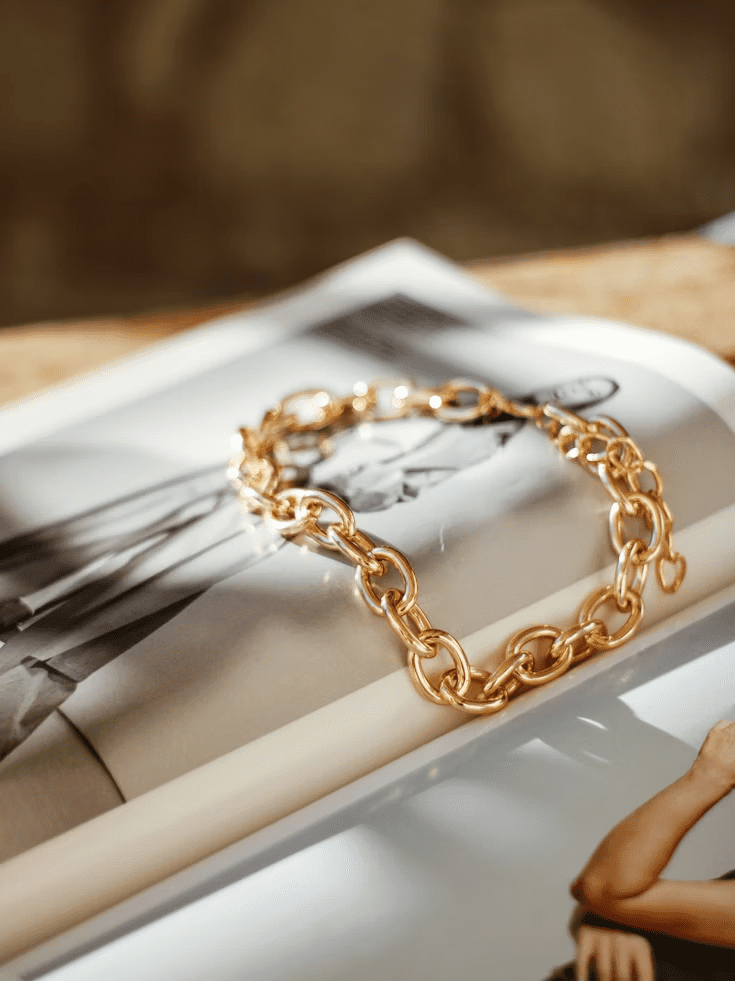
Heavy, oversized gold chains are one of the defining looks of 2026. Whether worn alone as a single bold statement or layered within a necklace stack, chunky curb chains, figaro links, and Belcher-style chains in solid yellow gold speak to the maximalist energy running through fashion this year. When investing in a chain necklace, look for solid gold or high-quality gold-filled versions — hollow chains are significantly more prone to denting with regular daily wear.
6. Mixed Metal Stacking
The old rule about matching your metals is officially finished. In 2026, mixing yellow gold, white gold, silver, and rose gold in a single look is not just acceptable — it is actively encouraged. Mixed metal ring stacks, two-tone bracelets, and necklace layers that blend warm and cool tones add dimension and that effortlessly built-up quality that cannot be replicated by buying everything from one brand on the same day.
7. Zodiac and Celestial Jewellery
Astrology-inspired jewellery has moved firmly from niche interest to mainstream fashion. Zodiac pendant necklaces, celestial star and moon earrings, and constellation rings tap into a broader desire for meaning and personal connection in what we choose to wear. These pieces make exceptional gifts because they feel personal and intentional rather than generic.
8. Beaded Jewellery
Carrying strong nostalgia from the early 2000s, beaded jewellery has made a confident return to the fashion mainstream. Beaded necklaces in pastel hues, warm earth tones, and polished semi-precious stones have been spotted on runways and street style scenes alike. The modern approach is to layer beaded pieces with finer gold chains, creating a high-low contrast that feels genuinely current rather than purely retro.
How to Choose Jewellery for Your Face Shape and Body
Understanding which jewellery styles naturally complement your features helps you shop with much greater confidence and ensures the pieces you choose always look deliberate and flattering rather than accidental.
For face shape: people with round faces benefit from long drop earrings and angular pendant necklaces that add visual length. Oval faces are the most versatile and suit virtually any earring or necklace shape. Square faces are softened by rounded hoop earrings and softly curved pendants. Heart-shaped faces look beautiful in teardrop or chandelier earrings, which help balance a wider forehead visually.
For neckline: V-neck tops pair naturally with V-shaped pendant necklaces. Crew neck and round-neck tops call for longer layered chains or statement pendants that sit below the collar. Off-shoulder and strapless styles work best with statement earrings and a clean bare neck, letting the décolletage take centre stage. Turtlenecks look stunning with long pendant necklaces layered directly over the fabric.
For wrist and hand proportions: delicate, slim bracelets suit slender wrists, while chunkier cuffs and stacked bangles complement broader wrists with a natural sense of confidence and presence. When building a ring stack, keep the more delicate pieces on smaller fingers and reserve bolder statement rings for the index or middle fingers where they naturally draw the eye.
Jewellery Buying Tips by Budget
Great jewellery genuinely does not have to cost a fortune. Here is how to approach shopping intelligently at every price point.
Under $100
At this price point, focus on bridge and fashion jewellery from reputable brands that use sterling silver or gold vermeil. Avoid anything described simply as “gold-plated” without any detail on thickness — that plating will chip within months. Brands like ASOS, H&M Conscious, and accessible Etsy makers consistently offer stylish, wearable pieces in this range. A great pair of hoop earrings and a simple layering chain are your best first investments here.
$100 to $500
This is the sweet spot for quality bridge jewellery. Brands like Mejuri, Monica Vinader, Gorjana, and Astrid & Miyu offer beautifully crafted gold vermeil and sterling silver pieces with real gemstones across this range. Look for the 925 hallmark on silver and confirm the gold micron thickness on vermeil pieces (2.5 microns minimum for durability). Personalised pieces at this budget level are particularly worthwhile long-term investments.
$500 to $2,000
At this level you are entering genuine fine jewellery territory. Look for solid 14K or 18K gold pieces from established retailers — Catbird, Vrai, Brilliant Earth, and James Allen all offer excellent value here, particularly for lab-grown diamond jewellery. A solid gold chain necklace, a pair of diamond stud earrings, or a simple solitaire ring purchased in this range will last a lifetime with the right care.
$2,000 and Above
At this tier you are shopping for heirloom-quality fine jewellery. Designer names like Tiffany & Co., Cartier, Bulgari, and Van Cleef & Arpels offer pieces that hold genuine cultural and market value over time. At this budget, always ask for a GIA certificate for any diamond piece, verify metal purity hallmarks, and purchase from authorised retailers with clear return and authentication policies.
How to Care for Your Jewellery

Even the finest jewellery requires some regular attention to maintain its beauty and stay in good condition over the years.
Storage
Keep jewellery in individual pouches or a lined jewellery box to prevent pieces from scratching each other. Harder stones like diamonds can easily scratch softer metals and gems if stored together. Remove jewellery before exercising, swimming, or bathing — chlorine and salt water are genuinely damaging to both metals and gemstone settings over time.
Cleaning
Clean gold and platinum jewellery at home using warm water, a small drop of mild dish soap, and a soft toothbrush. Gently work around settings, rinse thoroughly, and pat dry with a soft lint-free cloth. Sterling silver should be polished regularly with a dedicated silver polishing cloth to prevent tarnish build-up. Avoid ultrasonic cleaners for emeralds, pearls, and opals — these stones are porous or treated and can be permanently damaged by ultrasonic vibration and heat.
Professional Servicing
Fine jewellery is worth having professionally inspected and cleaned once a year by a qualified jeweller. They will check that prong settings are secure, re-plate white gold if needed, re-polish the metal surface, and catch any small issues before they become expensive repairs.
Where to Buy Jewellery in 2026

The jewellery retail landscape offers more options today than at any point in history, from luxury department stores and independent boutiques to direct-to-consumer online brands with outstanding quality at accessible prices.
For fine jewellery, established retailers like Tiffany & Co., Kay Jewelers in the USA, H. Samuel in the UK, and Michael Hill in Australia offer a reliable in-store experience with warranties and sizing services. Online, James Allen and Brilliant Earth are industry leaders for diamond and lab-grown jewellery, with exceptional 360-degree viewing tools and transparent pricing.
For bridge and trend-led jewellery, Monica Vinader, Mejuri, and Gorjana have built dedicated followings for their accessible fine-look pieces. ASOS and Nordstrom both carry well-curated jewellery edits spanning multiple price points. For unique artisan pieces, Etsy remains genuinely extraordinary — search by material, stone type, and style to find independent makers whose work will not appear anywhere else.
When shopping online, always verify the retailer’s return and resizing policy before purchasing, look for authentic hallmarking details in product descriptions, and read recent customer reviews that specifically mention jewellery quality and wearability over time.
Final Thoughts: Building a Jewellery Collection That Lasts
The most rewarding jewellery collections are always built slowly and intentionally — not by chasing every trend that comes along, but by investing in pieces that genuinely speak to your personal style, stand the test of time, and can be layered and mixed in endlessly versatile ways. Start with a few excellent foundational pieces: a quality hoop earring, a delicate chain necklace, and a simple ring you love. From there, build outward gradually — adding seasonal statement pieces, sentimental personalised items, and the occasional splurge on a gemstone or fine piece that really moves you.
Whether you are a first-time buyer navigating the jewellery market for the very first time or an experienced collector looking to stay current with 2026’s most exciting developments, the guidance in this buying guide will serve you well. Shop with knowledge, buy with intention, and wear every piece with confidence.
For more jewellery inspiration, styling ideas, and trend updates, explore the full Jewellery section at BeingFashion. Looking to build the perfect outfit around your new pieces? Our Fashion guides have you covered with expert styling advice for every occasion.
For authoritative gemstone grading standards and detailed buying education, the Gemological Institute of America (GIA) is the world’s most trusted resource for diamond and gemstone knowledge.
Frequently Asked Questions About Buying Jewellery
What jewellery is trending in 2026?
In 2026, the biggest jewellery trends include layered necklaces, statement earrings, pearl jewellery with modern twists, lab-grown diamond pieces, personalised and initial jewellery, emerald gemstone rings, chunky gold chains, and mixed-metal stacking. Sculptural earrings, baroque pearls, and zodiac-inspired pieces are also hugely popular right now.
What is the best metal for jewellery?
The best metal depends on your budget, skin tone, and how you plan to wear the piece. Yellow gold is the standout choice in 2026 for its warm, luxurious look. Sterling silver is versatile and affordable. White gold and platinum work beautifully for those with cooler skin undertones. For everyday wear, gold vermeil and gold-filled pieces offer durability without the fine jewellery price tag.
Are lab-grown diamonds worth buying?
Absolutely. Lab-grown diamonds are chemically and physically identical to mined diamonds but cost around 40 to 70% less. They are a more ethical and environmentally responsible choice, and in 2026 they are widely considered a smart, mainstream option rather than a compromise.
How do I choose the right jewellery for my face shape?
For round faces, long drop earrings and angular pendants add visual length. Oval faces suit almost any style. Square faces are softened by round or hoop earrings. Heart-shaped faces are beautifully balanced by teardrop or chandelier earrings that visually widen the lower face.
What jewellery should a beginner buy first?
Start with a few versatile staples: a pair of small gold or silver hoop earrings, a delicate chain necklace, and a simple stacking ring. These three pieces are genuinely timeless and will work with almost anything in your wardrobe.
How do I care for fine jewellery?
Store pieces separately in a lined jewellery box or individual pouches to prevent scratching. Clean gold with warm soapy water and a soft brush. Remove jewellery before swimming, exercising, or applying lotions and perfumes. Have fine pieces professionally inspected and cleaned once a year to keep them in the best possible condition.