
Imagine pulling on a simple black long‑sleeve, layered over a slouchy beige hoodie, paired with relaxed wide‑leg jeans and chunky sneakers. The outfit feels casual, but there’s something quietly cool about it—like you walked off a Seoul street style feed. That’s the Acubi aesthetic: a minimalist, Korean‑inspired look that blends Y2K shapes with muted tones, deconstructed layers, and just enough edge to make even basic pieces look intentional.
By the end of this guide, you’ll:
- Understand exactly what “Acubi” means in 2026.
- Know how to build a core Acubi wardrobe without overspending.
- Learn how to style hair, makeup, nails, and accessories in the Acubi mood.
- See clear “before and after” style examples tailored to real‑life outfits.
Quick Overview
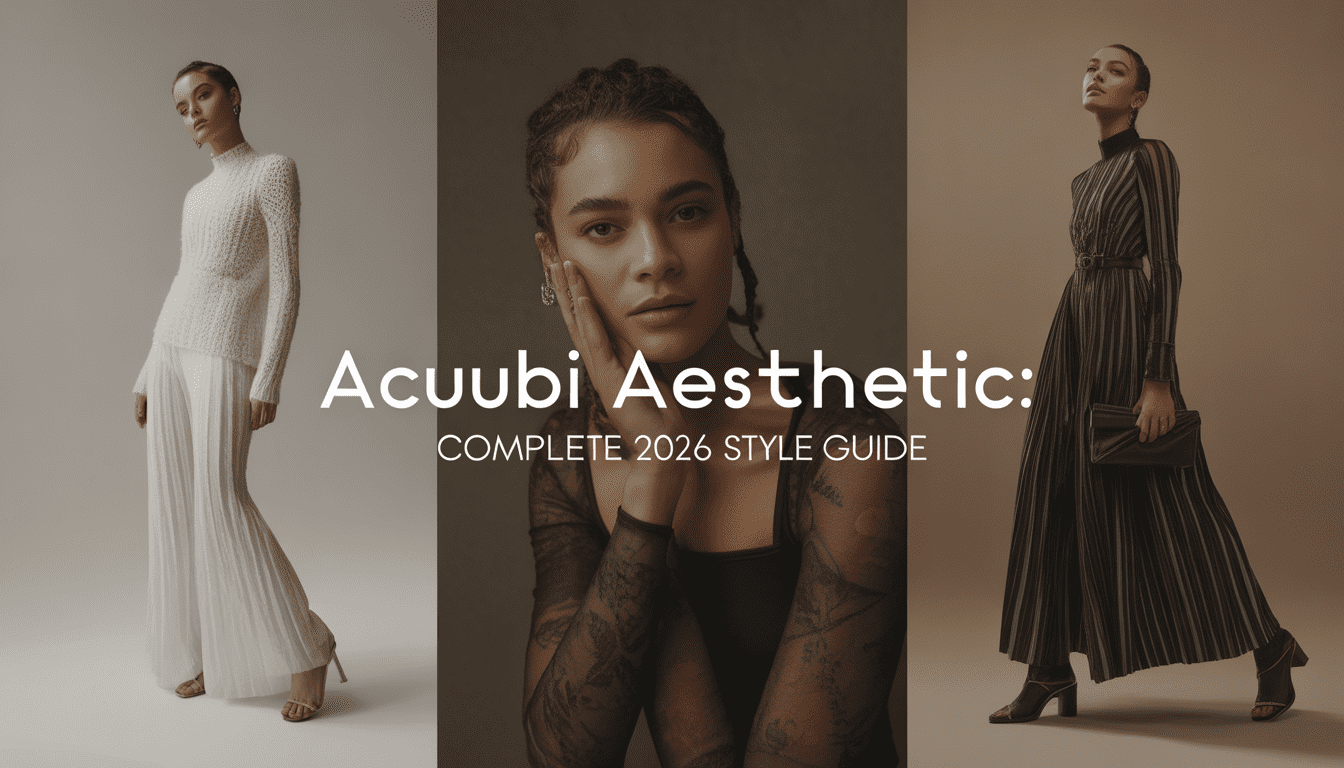
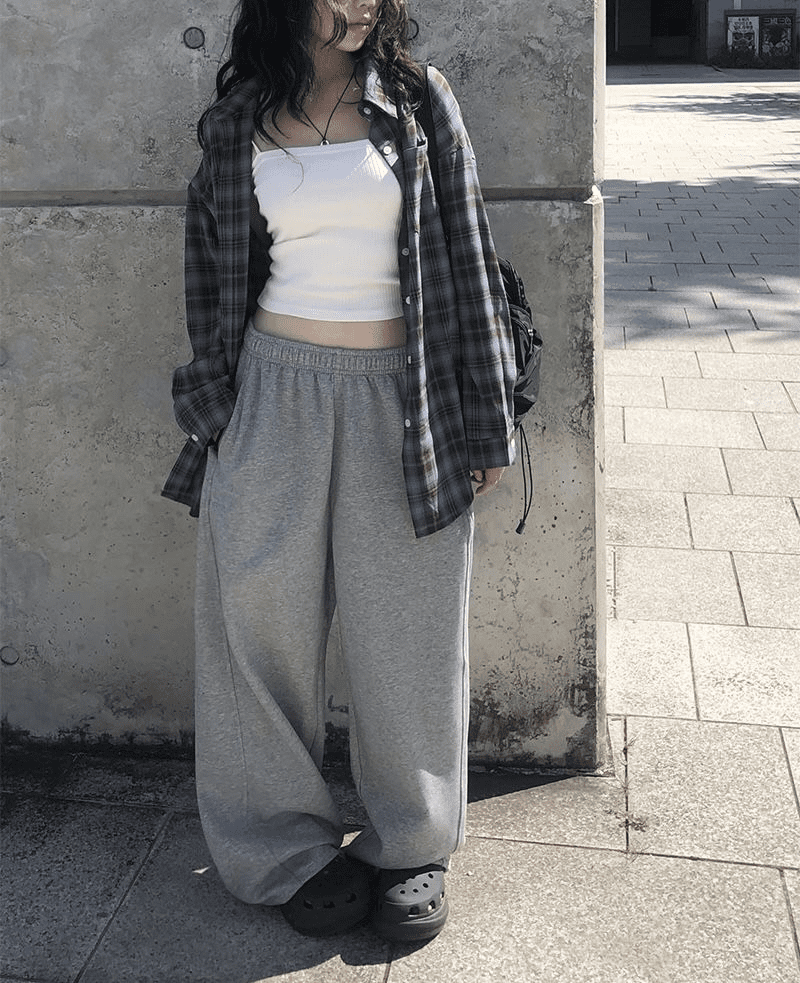
The Acubi aesthetic is a minimalist Korean streetwear style that mixes Y2K silhouettes with soft, muted colors and subtle deconstruction. Instead of loud logos and bright shades, Acubi leans on black, grey, beige, and charcoal, adding interest through cuts, textures, and thoughtful layering. Think baggy bottoms paired with slim tops, thumb‑hole sleeves, asymmetrical necklines, and washed‑out fabrics that feel both cozy and cinematic.
This guide is written as problem‑solving content:
- If your outfits look “plain but boring,” we’ll fix that with Acubi layering tricks.
- If you’re scared of minimalism, we’ll show you how to add edge without looking costumed.
- If you’re shopping on a budget, you’ll get a checklist of affordable pieces that already read Acubi.
What Exactly Is the Acubi Aesthetic?
Acubi is not just “minimalism” or “grunge” or “Y2K”; it sits at the intersection of all three, softened by Korean streetwear sensibilities. The name comes from Seoul’s Acubi Club, which popularized this mix of quiet confidence and subtle rebellion in early‑2000s fashion.
How Acubi Differs from Other Aesthetics
| Aesthetic | Vibe / Focus | Colors & Prints | Typical Silhouettes |
| Acubi | Minimalist, edgy Korean streetwear with Y2K vibes | Soft neutrals: black, grey, beige, white, charcoal; no loud prints | Slim top + baggy bottom; deconstructed layers; asymmetrical necklines |
| Plain Minimalism | Neutral, clean, no‑drama outfits | Similar muted palette, but zero edge or subversion | Straight cuts, no deconstruction, very basic shapes |
| Chaotic Y2K | Maximal, playful, logo‑heavy | Bright colors, neon, loud graphics | Tiny tops, low‑rise jeans, crop‑tops, chunky sneakers |
| Streetwear | Urban, logo‑driven, hype‑centered | Logos, bold graphics, sometimes bright accents | Oversized hoodies, graphic tees, branded sneakers |
In short, Acubi = minimalist base + Y2K shapes + Korean streetwear softness.
Why Acubi Is Dominating 2026 Fashion
Several real‑world trends are pushing Acubi further into the mainstream this year.
1. Teen & Gen‑Z Demand for “Quiet Cool”
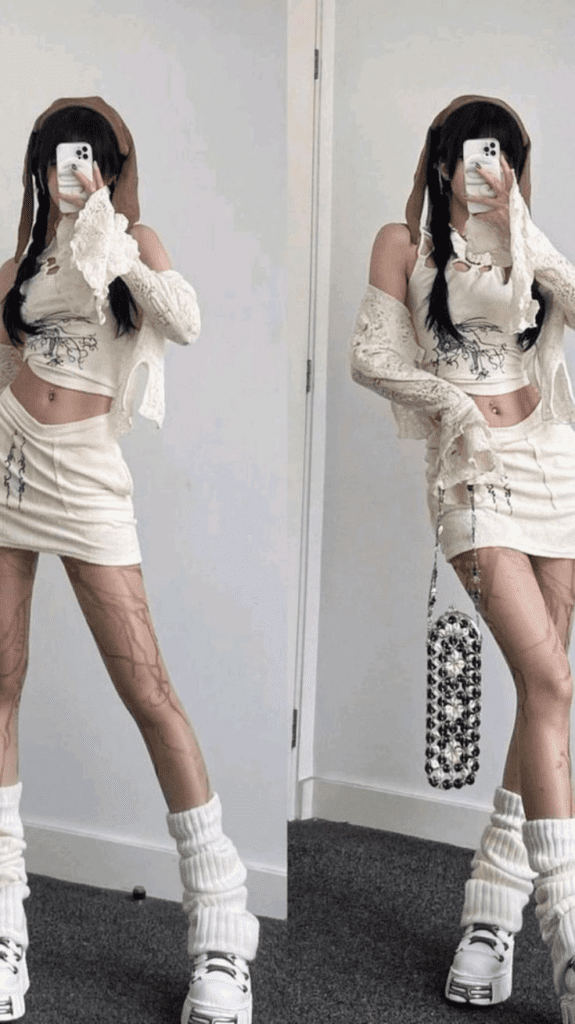
Brands and trend forecasters note that teens and young adults are gravitating toward looks that feel fashion‑forward but not “costume‑y.” The Acubi aesthetic fits perfectly: it’s minimalist enough for school or work, but the deconstructed layers and asymmetrical cuts add just enough edge.
2. Influence of K‑pop & Korean Street Style
K‑pop idols and Korean influencers regularly wear Acubi‑inspired outfits—think oversized plaid shirts over mesh tops, muted long‑sleeve sets, and layered hoodies with cropped down jackets. This exposure makes Acubi look aspirational yet achievable, since many pieces are just reworked basics.
3. Rise of “Deconstructed Minimalism”
In 2026, one of the top teen fashion trends is “Acubi deconstructed long‑sleeves,” where simple tops are cut with thumb holes, asymmetric necklines, or raw hems. These details keep minimalist color palettes visually interesting without resorting to loud prints or logos.
This combination of soft colors, clever cuts, and layer‑friendly silhouettes is why Acubi works so well for everyday wear—and why it deserves a dedicated style guide.
Acubi Color Palette: Muted, Not Boring
One of the easiest ways to go “sort‑of Acubi” is to lock in the right color palette. Once you narrow your wardrobe to a few key neutrals, the rest of the aesthetic becomes much easier to build.
Core Acubi Colors
- Black & Charcoal: Base for most tops, outerwear, and shoes.
- Grey & Ash: Perfect for hoodies, sweatshirts, and long‑sleeve layers.
- Beige / Cream: Pants, skirt, and coat colors that lift the look without brightening it too much.
- White: Crisp tees, sneakers, and accessories that cut through darker layers.
Occasionally, you’ll see soft blues or dusty pinks as subtle accents, but they never dominate the outfit.
How to Use This Palette in Real Life
Problem: Your outfits feel “samey” because you’re only wearing black tops with black jeans.
Acubi‑style fix:
- Swap one black top for a grey long‑sleeve with a thumb hole.
- Pair it with beige wide‑leg pants instead of black jeans.
- Add a white cross‑body bag and chunky white sneakers for contrast.
Result: You still look minimal, but the outfit has mood, movement, and texture.

Acubi Wardrobe Essentials (Budget‑Friendly)
Instead of chasing every trend, focus on building a small core of Acubi‑style pieces that can be mixed and matched. Below is a checklist of essentials, plus a “before and after” example.
1. Tops
| Category | What to Look For | Why It Works |
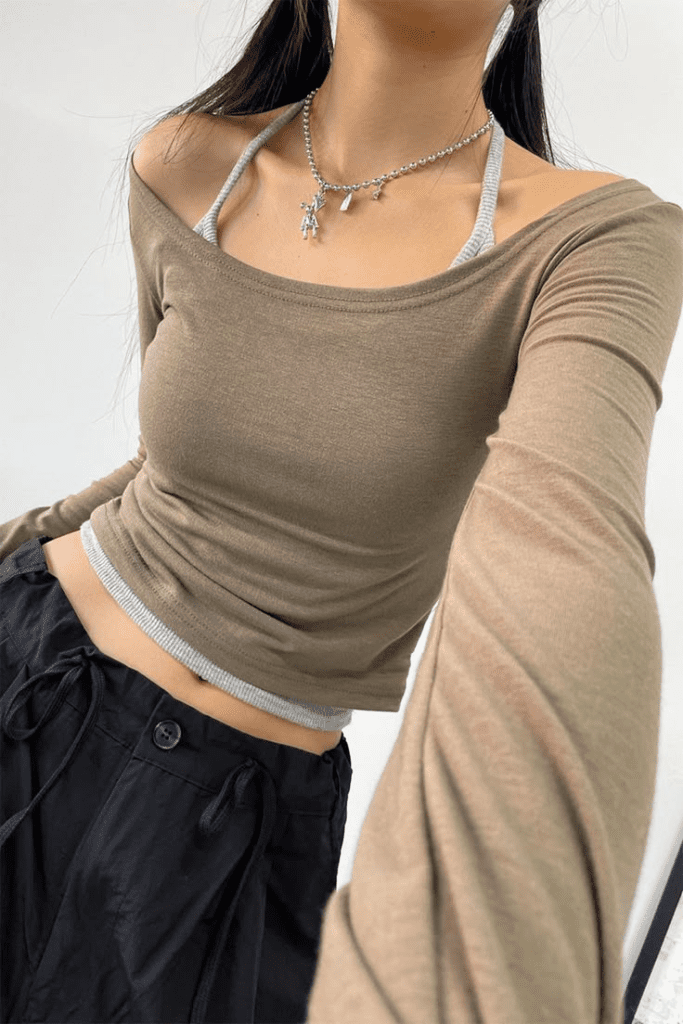
| Long‑sleeve tops | Slim fit, muted color; thumb‑hole sleeves or asymmetric neckline | Turns a basic tee into an Acubi‑style focal point. |
| Mesh or subtle cut‑outs | Black or grey mesh panels, small cut‑outs at shoulder or side | Adds edge without being scandalous or costume‑y. |
| Oversized plaid shirts | Black, grey, or beige plaid; worn over a fitted undershirt | Creates that “slim top + baggy bottom” structure. |
2. Bottoms
| Category | What to Look For | Why It Works |
| Baggy wide‑leg pants | Tapered ankles, neutral color (black, beige, grey) | Establishes the Acubi silhouette and hides problem areas. |
| Relaxed jeans | Straight or slightly baggy; washed‑out black or grey wash | Casual, easy to layer with sneakers or boots. |
| Minimal skirts | Plain black or grey midi or mini skirt; simple A‑line or pencil cut | Softens the look while keeping it minimal. |
3. Outerwear & Layers
| Category | What to Look For | Why It Works |
| Oversized hoodie | Neutral color, slightly slouchy fit | Perfect for layering over a long‑sleeve or mesh top. |
| Boxy cropped jacket | Black or beige, cropped to the waist | Emphasizes the slim‑top, baggy‑bottom structure. |
| Long‑line cardigans | Open‑front, neutral tones, slightly oversized | Adds warmth and movement without cluttering the look. |
4. Shoes & Accessories
| Category | What to Look For | Why It Works |
| Chunky sneakers | White, black, or grey; thick soles | Anchors the look and complements the Y2K vibe. |
| Simple cross‑body bag | Small, neutral color, no loud logo | Keeps the aesthetic minimal and functional. |
| Minimal jewelry | Thin silver chains, small hoop earrings, simple studs | Adds subtle detail without breaking the mood. |
Before and After: Acubi‑Style Makeovers
Let’s turn three common “before” outfits into Acubi‑inspired looks you can actually wear.
1. Before: Office‑Casual Shirt + Jeans
Before Outfit:
- White button‑down shirt
- Dark blue skinny jeans
- Plain black flats
Problem:
- Looks neat but generic.
- No sense of personality or “mood.”
Acubi‑Style Fix:
- Replace the white shirt with a black long‑sleeve with an asymmetric neckline.
- Swap skinny jeans for black wide‑leg trousers that taper at the ankle.
- Add chunky white sneakers and a thin silver chain.
Result:
Still office‑appropriate, but now reads as “quietly cool” rather than “corporate defaults.”
2. Before: Basic Hoodie + Jeans
Before Outfit:
- Oversized graphic hoodie
- Black skinny jeans
- Plain sneakers
Problem:
- Looks like a generic loungewear set.
- No structure; the outfit feels “shapeless.”
Acubi‑Style Fix:
- Swap the graphic hoodie for a plain beige oversized hoodie.
- Keep black jeans but change to baggy or straight‑leg rather than skinny.
- Add a black long‑sleeve with thumb holes under the hoodie and a minimal black cross‑body bag.
Result:
You still look cozy, but the layers and muted palette read as intentional Acubi style.
3. Before: Y2K Crop Top + Low‑Rise Jeans
Before Outfit:
- Neon crop top
- Light‑wash low‑rise jeans
- Bright sneakers
Problem:
- Feels dated and loud.
- Hard to dress up or down for different occasions.
Acubi‑Style Fix:
- Replace the neon crop with a black or grey long‑sleeve crop top.
- Keep the jeans but choose mid‑rise, straight‑leg in a washed‑out black or grey.
- Add a beige oversized plaid shirt tied at the waist for extra layering.
Result:
You keep the Y2K vibe but soften it into a more wearable, modern Acubi look.
Hair, Makeup, and Nails in the Acubi Mood
The Acubi aesthetic doesn’t stop at clothes; hair, makeup, and nails complete the quiet‑yet‑edgy mood.
Hair
- Soft, lived‑in waves or straight hair with a slight bend at the ends.
- Natural hair colors or muted tones like ash brown, dark blonde, or subtle black rather than neon shades.
- Layered cuts that add movement without looking overly styled.
Key idea: your hair should look “touch‑dry” rather than salon‑perfect.
Makeup
Acubi makeup follows a “no‑makeup makeup” philosophy with a dark twist.
- Skin: Focus on clean, hydrated skin with light foundation or tinted moisturizer and soft contour for definition.
- Eyes: Neutral browns or greys, subtle liner, maybe a hint of mascara.
- Lips: A signature deep berry or rich brown lip color against a natural face is the classic Acubi touch.
This keeps the look minimal but punchy, especially when paired with a black or grey outfit.
Nails
- Neutral or dark shades (nude, soft pink, black, deep brown).
- Simple designs like tiny hand‑drawn lines, dots, or minimalist French tips using nail pens.
- Avoid loud glitter or neon prints; use small details instead.
Acubi for Different Body Types & Occasions
The Acubi aesthetic is flexible enough to adapt to different body types and settings.
Slim Top + Baggy Bottom Rule (For Most Bodies)
| Body Type | How to Apply the Rule |
| Pear shape | Slim top highlights the waist; wide‑leg pants balance the hips. |
| Apple shape | Cropped long‑sleeve or boxy top creates a focal point; baggy pants hide the midsection. |
| Straight / Androgynous | Allows you to play with proportions (tight top + very wide pants) for a more editorial look. |
Acubi for Different Occasions
| Occasion | Outfit Adjustment |
| School / Uni | Neutral hoodie + long‑sleeve + baggy pants + sneakers; keep jewelry minimal. |
| Office / Work | Black long‑sleeve + wide‑leg trousers + flat boots or chunky sneakers; add a simple blazer if needed. |
| Dates / Night Out | Black mesh top + beige skirt or wide‑leg pants + chunky heels or boots; add a dark lipstick and a small cross‑body bag. |
This flexibility is one reason Acubi has become so popular in 2026: it works for streetwear, smart‑casual, and even slightly dressed‑up looks.
Common Mistakes to Avoid When Styling Acubi
Even if you’re buying the right pieces, a few small mistakes can turn an Acubi look into a “trying too hard” outfit.
1. Too Many Logos or Bright Colors
- Mistake: Wearing a graphic hoodie, a logo tee, and bright sneakers in one look.
- Fix: Stick to one brand or logo at a time, or avoid logos altogether. Use muted colors and let the cuts and textures speak.
2. Ignoring the “Slim Top + Baggy Bottom” Shape
- Mistake: Pairing two oversized pieces (oversized top + oversized pants) without any structure.
- Fix: Always anchor the look with either a slim top or a slim long‑sleeve under your layers.
3. Over‑Accessorizing
- Mistake: Heavy chains, chunky rings, multiple bracelets, and a big logo bag.
- Fix: Choose 1–2 simple accessories: thin chain, small hoop earrings, and a compact cross‑body or clutch.
Acubi Aesthetic FAQ (Frequently Asked Questions)
Acubi Aesthetic FAQ
Q1. What is the Acubi aesthetic?
The Acubi aesthetic is a minimalist Korean streetwear style that blends Y2K silhouettes with muted colors and subtle edge. It focuses on “subversive basics” like simple tops with cut‑outs, mesh panels, or asymmetrical hems, paired with baggy pants, oversized layers, and soft textures.
Q2. Where did Acubi come from?
Acubi fashion traces its roots to the early‑2000s Seoul streetwear scene, partly linked to the Acubi Club in Korea. Over time it evolved into a modern, low‑drama style that mixes grunge, cyber‑Y2K, and minimal Korean fashion.
Q3. Is Acubi the same as Y2K or Cyber Grunge?
No, but it’s related. Y2K is brighter and more playful, while Cyber Grunge leans into darker, tech‑influenced distressing. Acubi keeps Y2K shapes but swaps loud colors for neutral tones and softens the grunge vibe with minimalist cuts.
Q4. What colors are used in Acubi fashion?
The core palette is neutral and muted: black, grey, beige, white, and charcoal are the main shades. Earth tones like brown, green, or khaki may appear as accents, but bright neons and loud graphics are kept to a minimum.
Q5. What clothes are “Acubi‑core”?
Key Acubi pieces include: slim cut‑out tops, mesh or sheer layering pieces, asymmetrical necklines, baggy wide‑leg pants, straight‑leg jeans, oversized hoodies, cropped outerwear, and sheer or textured jackets.
Q6. Do I need expensive brands to create an Acubi look?
No. Acubi is built on elevated basics, so you can mix thrifted pieces, budget Korean‑style brands, and simple Z‑style retailers. The focus is on styling, layering, and color coordination, not logos or price tags.
Q7. Can Acubi work for school, office, or casual life?
Yes. For school or casual wear, pair a neutral hoodie or long‑sleeve with wide‑leg pants and sneakers. For the office, use a black long‑sleeve with tailored wide‑leg trousers and minimal shoes. For nights out, add a dark mesh top, mini or wide‑leg bottoms, and a statement dark lipstick.
Q8. How can I style Acubi for different body types?
The “slim top + baggy bottom” rule suits most body shapes. Pear shapes balance wider hips with loose pants and a fitted top. Apple shapes can use boxy or cropped tops with relaxed bottoms to hide the midsection. Straight or androgynous figures can exaggerate proportions—tight top with very wide pants—for a more editorial feel.
Q9. How should I style hair and makeup in Acubi style?
Hair is usually soft waves, loose curls, or straight, lived‑in styles in natural or muted tones (ash brown, dark blonde, black). Makeup follows a “no‑makeup” look with clean skin, subtle contour, and a bold dark lip—such as deep berry or rich brown—set against a neutral base.
Q10. What about Acubi nails?
Nails lean toward neutral or dark shades like nude, soft pink, black, or deep brown. Designs are simple: tiny lines, dots, or minimalist French tips using nail pens. Avoid flashy glitter or loud patterns to keep the vibe quiet and moody.
Q11. Is Acubi only for women?
No. The Acubi aesthetic is unisex in spirit. Men and non‑binary wearers often use oversized hoodies, wide‑leg pants, chunky sneakers, and minimal silver jewelry, keeping the same neutral palette and deconstructed layers.
Q12. What are the most common mistakes when styling Acubi?
Common mistakes include: wearing too many logos or bright colors, combining two oversized pieces without structure, and over‑accessorizing with multiple chains or busy bags. To stay true to Acubi, keep one piece slim, stick to muted hues, and limit accessories.
Q13. Can Acubi be mixed with other aesthetics?
Yes. Acubi blends well with Clean Girl or minimalist styles (same neutrals, fewer layers), K‑pop streetwear (more Y2K energy), and Cyber Grunge or Y3K (darker textures and tech‑wear touches while keeping the neutral base).
Q14. Is Acubi just a fake or over‑hyped trend?
Some critics argue that “Acubi” is over‑marketed, especially around low‑quality dropshipping brands. However, the underlying style—minimalist Korean‑inspired streetwear with subversive basics—has real roots in Seoul fashion and is visibly used by influencers and designers.
Q15. How can I start dressing Acubi on a budget?
Start by keeping a small capsule: 3–5 neutral tops, 2–3 pairs of pants, and one oversized hoodie or plaid shirt. Add one subversive piece, like a cut‑out or mesh top, then complete the look with simple neutral shoes and minimal jewelry. This way, you build an Acubi wardrobe without overspending.