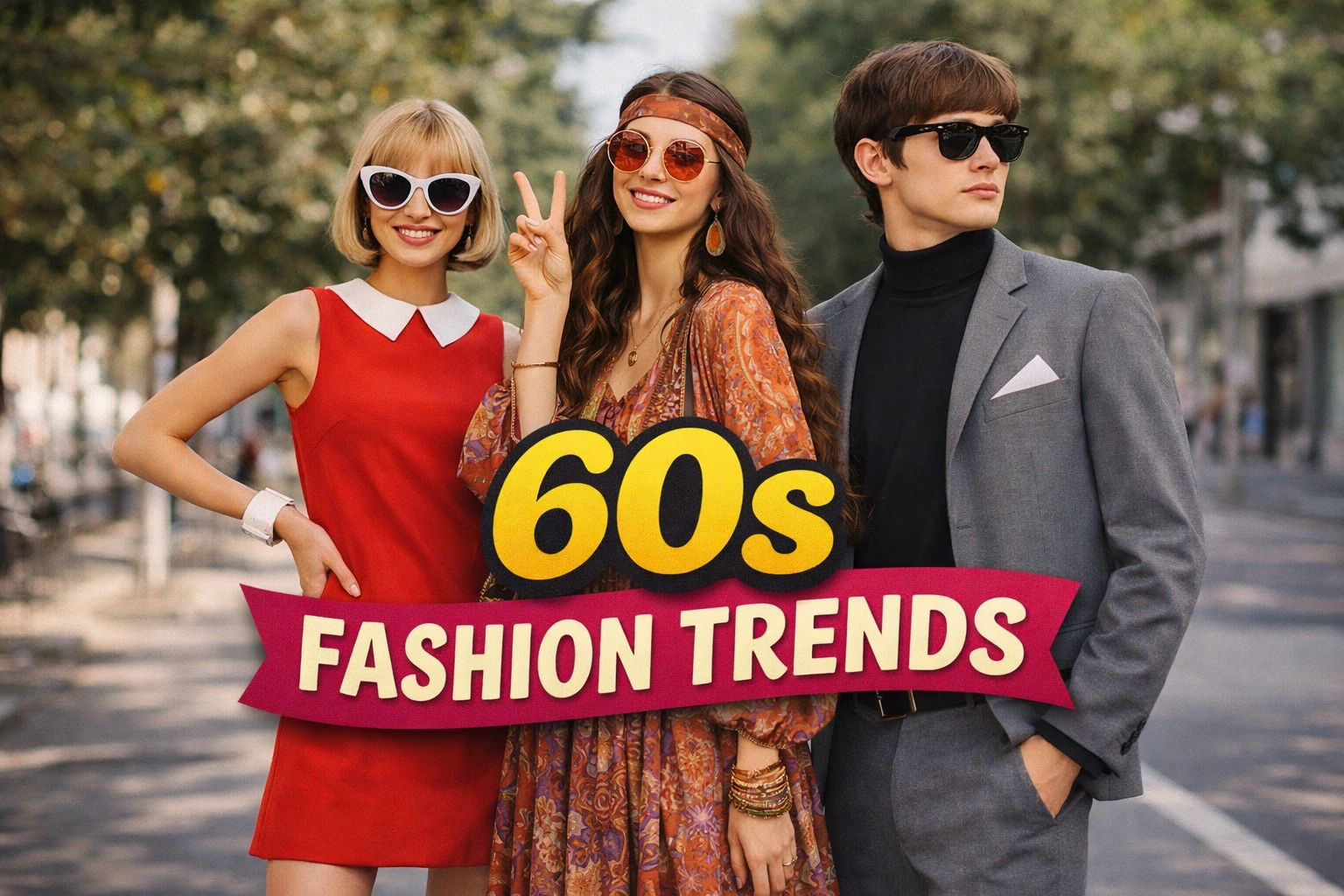

The 1960s were one of the most exciting decades in fashion history. Women’s skirts got shorter, colors got bolder, and young people began to dress in ways that challenged the formal styles of the 1950s. Across Europe and North America—and later worldwide—“60s fashion” became a symbol of youth, freedom, and social change. In this guide you’ll learn the key 60s fashion trends, how they developed, and why they still inspire modern wardrobes today.
What Made 1960s Fashion Different?
Fashion in the early 1960s still carried some of the polished elegance of the 1950s, but by mid‑decade everything began to shift. Instead of long, structured dresses and hat‑and‑gloves outfits, women started wearing streamlined “shift” dresses, tight trousers, and colorful accessories. This change was driven by a “Youthquake” movement, where teenagers and young adults, not older designers, began to set the trends. Music, film, and politics all influenced what people wore, turning clothing into a way of expressing identity and rebellion.
Key 60s Fashion Movements
Sixties fashion cannot be reduced to just one look. Instead, it unfolded in several overlapping styles: the clean “mod” look, the romantic “hippie” style, and futuristic “space‑age” designs. Each of these movements had its own attitude, colors, and fabrics, yet all shared a love for experimentation and self‑expression.
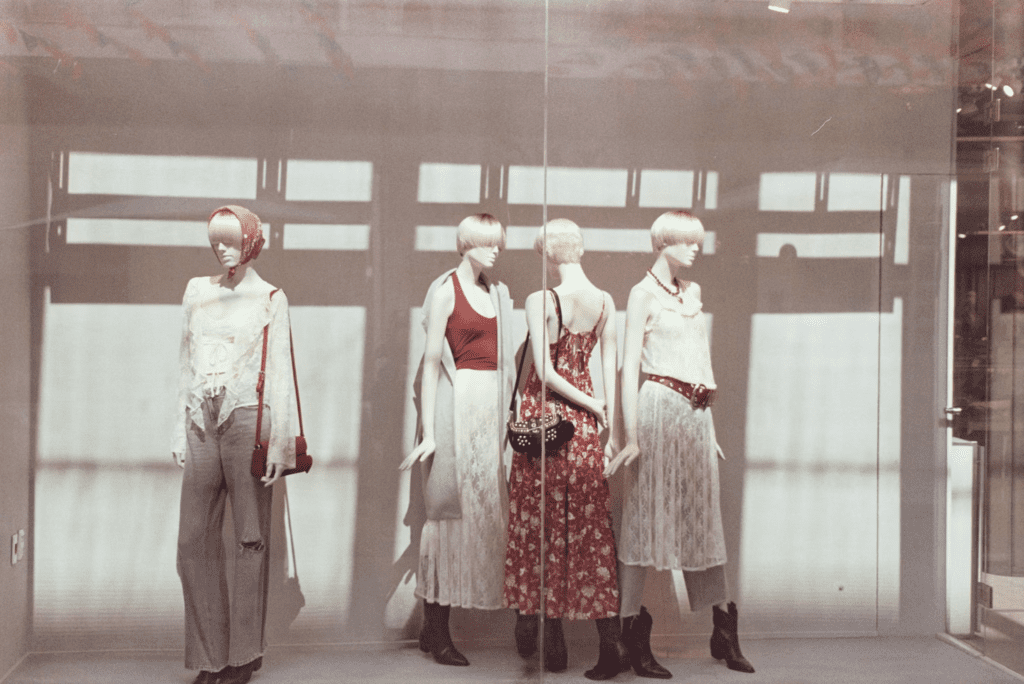
The Mod Look
Mod style came from young Londoners in the early to mid‑1960s who loved modern jazz, sharp suits, and scooters. Women’s mod fashion often included very short mini skirts, slim tights, and plain, geometric shift dresses. Colors were usually bright or bold, with black, white, and red forming the base, and patterns like checks, stripes, and polka dots were very popular.
The Hippie Style
By the late 1960s, the hippie movement created a softer, more relaxed look. This style favored long, flowing dresses, peasant blouses, and loose‑fitting trousers, often in natural fabrics like cotton and linen. Tie‑dye, embroidery, fringe, and ethnic or folk‑style patterns became signature details, reflecting ideas of peace, nature, and freedom from corporate fashion.
Space‑Age and Futuristic Fashion
The 1960s also saw a fascination with space travel and technology. Designers experimented with shiny fabrics, metallic trims, and unusual shapes such as A‑line dresses with clean lines and high necks. PVC, vinyl, and other synthetic materials were used to create bold, futuristic outfits that looked more like outfits from the future than from everyday life.

Popular Women’s Fashion Trends in the 1960s
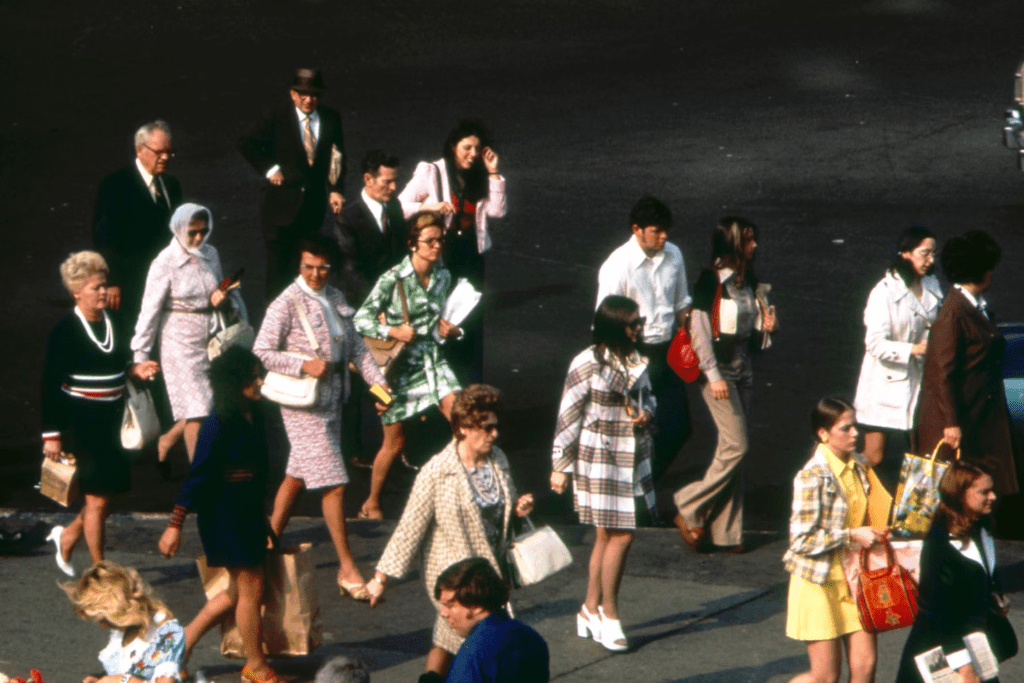
Women’s fashion in the 1960s went through several dramatic changes in just a few years. Hemlines rose, silhouettes became simpler, and new materials like synthetics made bold colors and prints easier to produce.
1. The Mini Skirt Revolution
Perhaps the most famous 1960s trend is the mini skirt. British designer Mary Quant is often credited with popularizing very short skirts that showed the knees and even the upper leg, which was still unusual at the time. Mini skirts were usually paired with colored tights and boots, creating a young, energetic look that stood in contrast to the longer, more covered styles of the 1950s.
2. Shift Dresses and Simple Silhouettes
Shift dresses were straight, loose‑fitting dresses with no waist shaping, often ending above the knee. They were easy to wear, comfortable, and worked well for both day and evening, depending on fabric and accessories. These dresses were often in solid colors or simple geometric prints, which matched the modern, clean feel of 1960s urban style.
3. Go‑Go Boots and Other Footwear
Go‑go boots—tight, low‑heeled boots that reached the middle of the calf—became one of the decade’s most recognizable shoe trends. They were originally made in white but quickly appeared in many colors and materials, often worn with mini skirts and tights. Mary Jane shoes and simple flats were also popular choices, especially for younger women who wanted a playful, girlish look.
4. Colorful Tights and Legwear
Colored tights, once a minor accessory, became a major fashion statement in the 1960s. Black, white, bright red, and even patterned tights were worn with mini skirts and dresses to create a clear, modern line from the waist down. This attention to legwear helped shift the focus of fashion from the bust and waist to the younger, more athletic legs of teenage girls and young women.
5. Bell‑Bottoms and Flared Trousers
At the beginning of the decade, women often wore slim jeans or capri pants, but by the late 1960s flared trousers and bell‑bottoms took over. These wide‑leg pants created a flowing, dramatic movement and were often made from denim or cotton in solid colors or bold prints. Paired with tucked‑in blouses or simple tops, they became a staple of the hippie and casual lifestyles.
6. Maxi Dresses and Boho Vibe
While mini skirts ruled the early‑to‑mid‑1960s, long maxi dresses grew in popularity toward the end of the decade. These dresses usually had flowy sleeves, empire waists, and soft fabrics, often decorated with embroidery or folk‑style patterns. They were a key part of the hippie wardrobe and helped create the relaxed, natural look that many women associate with the late 1960s.
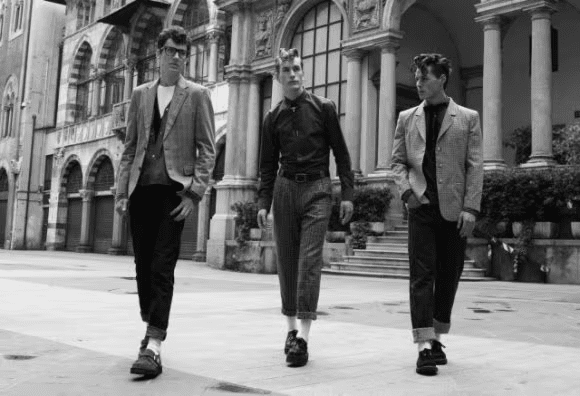
Men’s Fashion in the 1960s
Men’s fashion also changed significantly in the 1960s, becoming more colorful, casual, and experimental. The classic “suit and tie” look did not disappear, but it competed with new styles influenced by music and youth culture.
1. Slim Suits and Mod Jackets
Young men in the mod scene favored slim‑fit suits with narrow lapels and neatly tailored trousers. These suits were often in dark colors like black, navy, or grey, but they stood out because of their sharp, modern cut. Beatle‑style mop‑top haircuts and polished shoes completed the look, giving it a clean, stylish image.
2. Turtlenecks and Polo Shirts
Turtlenecks became a smart‑casual alternative to ties, especially among artists, musicians, and students. They were often worn under unstructured jackets or on their own, creating a simple but elegant outfit. Polo shirts and button‑down shirts also remained popular, usually in plain colors or subtle patterns, paired with slim trousers or jeans.
3. Jeans and Casual Wear
Denim jeans, once mostly seen as workwear, became everyday fashion for young people. Slim or straight‑leg jeans were paired with plain tops, sweaters, or jackets, creating a relaxed but stylish look. This casual approach to dressing helped break the idea that only formal clothes were appropriate in public.
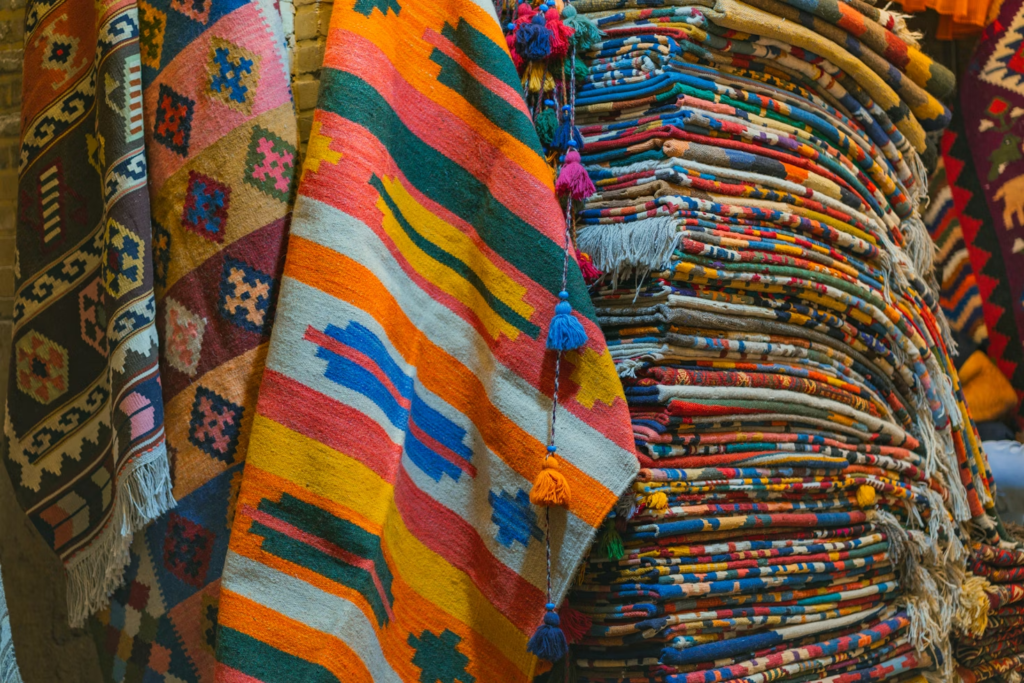
Colors, Patterns, and Fabrics in 1960s Fashion
One of the most exciting parts of 1960s style was the way people played with color, pattern, and material.
1. Bold Colors and Psychedelic Prints
The 1960s saw a rise in bright colors like orange, lime green, electric blue, and hot pink. Psychedelic prints with swirls, rainbows, and abstract shapes became especially popular in the late 1960s, inspired by the hippie and psychedelic music scenes. These bold designs were often printed on dresses, shirts, and accessories, turning clothing into a kind of wearable art.
2. Geometric and Op‑Art Patterns
Before the psychedelic wave, many 1960s outfits featured neat geometric patterns such as checks, stripes, and circles. Designers also experimented with “op‑art” (optical art) patterns that created movement and depth on fabric, giving clothes a modern, almost futuristic feel. These patterns worked well in shift dresses and coats, where the clean lines of the silhouette could highlight the sharp designs.
3. Natural Fabrics and Synthetics
In the early 1960s, cotton, wool, and silk were still common, but synthetic materials like polyester, nylon, and PVC began to appear more frequently. Synthetics made it easier to produce bright colors and bold prints that would not fade quickly, which suited the experimental spirit of the times. At the same time, the hippie movement favored natural fabrics such as cotton, hemp, and linen, which felt light, comfortable, and “earthy.”
Accessories and Hair: Finishing the 60s Look
Accessories and hairstyles were just as important as clothes in creating a true 1960s style.
1. Hair and Makeup
In the early 1960s, women often wore neat, curled hairstyles inspired by First Lady Jacqueline Kennedy, with soft waves and low‑set hairdos. As the decade progressed, bolder styles emerged, including beehive hair and long, straight “mod” haircuts. Men’s hair also grew longer, especially in the late 1960s, with the Beatles and other musicians leading the trend. Makeup followed this shift: heavy eyeliner, false lashes, and pale lipstick became popular to create a dramatic, “mod” look.
2. Sunglasses and Hats
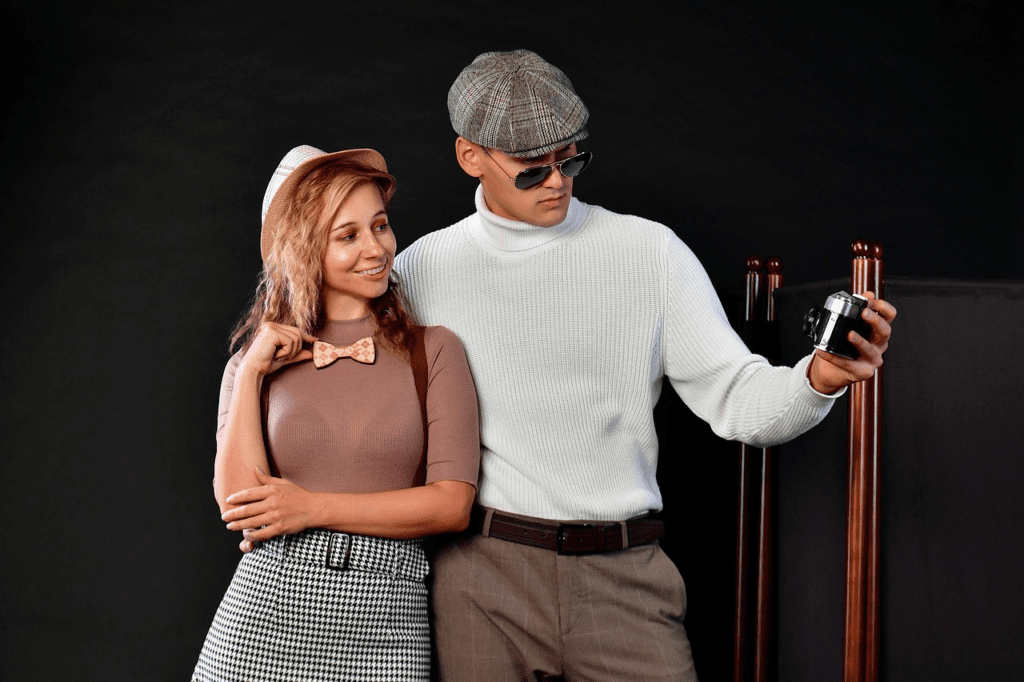
Sunglasses were a major accessory in the 1960s, with oversized and round shapes becoming very trendy. Hats also changed: mod women wore small pillbox hats, while hippie styles often favored headbands, scarves, and flowers. These small details helped define the mood of each look, from polished and serious to playful and free‑spirited.
3. Jewelry and Layering
Simple, geometric jewelry worked well with mod outfits, often in silver‑tone metals with clean shapes. In the hippie style, jewelry became more layered and handmade, including beads, charms, and ethnic‑style pieces. Rings, bracelets, and necklaces were often worn in multiples, creating a personal, bohemian touch to an outfit.
60s Fashion Icons and Influencers
Several famous figures helped popularize 1960s fashion around the world.
1. Jacqueline Kennedy
Jacqueline Kennedy’s wardrobe in the early 1960s set a standard for elegant, tailored fashion. She often wore A‑line suits, simple dresses, and pillbox hats in soft pastel colors, which many women copied for both formal and daywear. Her influence showed that simplicity and good fit could be just as powerful as ornate decoration.
2. Mary Quant
Mary Quant, a British designer, is closely linked with the mini skirt and playful mod style. Her work helped make short skirts and bright colors acceptable in everyday fashion, especially among younger women. Beyond the mini skirt, she championed practical, fun clothing that matched the fast‑moving city life of the 1960s.
3. The Beatles and Pop Culture
The Beatles and other bands of the 1960s influenced both men’s and women’s fashion. Their slim suits, mop‑top haircuts, and later more colorful, bohemian outfits inspired millions of fans to dress like them. Pop culture, in general, helped turn fashion into a global language, where trends could spread quickly through music, films, and magazines.
How 60s Fashion Still Influences Today
Many 1960s trends have never fully disappeared; they keep returning in new forms.
1. Mini Skirts and Shift Dresses
Mini skirts remain a common choice in spring and summer wardrobes, often paired with boots or sneakers instead of classic tights. Shift dresses also reappear frequently, especially in modern “clean” or minimalist styles, where simple shapes and bold colors echo 1960s lines. Today’s designers often borrow the 60s idea of focusing on silhouette and bold color rather than heavy decoration.
2. Boho and Hippie‑Inspired Styles
Bohemian and festival fashion owes much to the late‑1960s hippie look. Flowy maxi dresses, fringe details, and ethnic‑style prints are still popular in warm‑weather and vacation wardrobes. The idea of using natural fabrics, handmade touches, and layered accessories remains a strong part of “boho” style today.
3. Mod and Retro Revivals
There have been several “mod revivals” in fashion, where designers bring back slim suits, short skirts, and bold patterns. These revivals often highlight the same values that defined 1960s mod fashion: youth, energy, and a love for clean, modern shapes.
Quick Overview: Major 60s Fashion Trends at a Glance
The table below gives a fast, clear comparison of the key styles and elements of 1960s fashion.
| Trend / Style | Key Features | Typical Colors & Fabrics | Who Popularized It? |
| Mini Skirt | Very short skirt, usually above the knee, worn with tights or boots | Bright solids, black; cotton, wool, polyester | Mary Quant, London mod girls |
| Shift Dress | Straight, loose‑fit dress with no waist shaping, simple and modern | Solid colors, geometric prints; cotton, synthetic blends | Mod designers, 1960s ready‑to‑wear |
| Go‑Go Boots | Tight calf‑high boots, often low‑heeled, usually in white or bright colors | White, black, bright shades; vinyl, leather, synthetics | Mod and pop culture dancers |
| Bell‑Bottoms | Wide‑leg flared trousers, dramatic movement and relaxed fit | Denim, cotton; solid colors or bold prints | Late‑1960s youth and hippie styles |
| Maxi Dress | Long, flowy dress, often with folk or ethnic details | Soft earth tones and pastels; cotton, linen, soft synthetics | Hippie and boho communities |
| Psychedelic Prints | Swirling, colorful patterns inspired by art and music | Rainbow colors, abstract swirls; cotton, synthetics | Psychedelic and hippie scenes |
How to Add 60s Fashion to Your Wardrobe Today
You don’t need to copy 1960s fashion exactly to enjoy its spirit. Here are a few easy ways to bring 60s style into a modern, everyday wardrobe:
- Choose one statement piece, like a mini skirt or a shift‑style dress, and pair it with simple tops and shoes.
- Mix bold colors or patterns with neutral basics so the 60s‑inspired item stands out without looking costumey.